Archaeological Museum of Elis: we get to know the city of the Olympic Games In Archaeological Museum of Elis We discover the city that was responsible for organizing the ancient Olympic Games. Among elaborate mosaics, marble sculptures and personal items, we get closer to the people who lived, worked and prepared for the games in ancient Elis.
A stone starting point brings us closer to the agony of a runner. A bronze mirror reveals a small bathing scene. Theater tickets remind us of an outing to a performance, many centuries before our own era.
Here we have every reason to dwell a little longer: the most fascinating stories are often found in the details.
Where is the Archaeological Museum of Elis located?
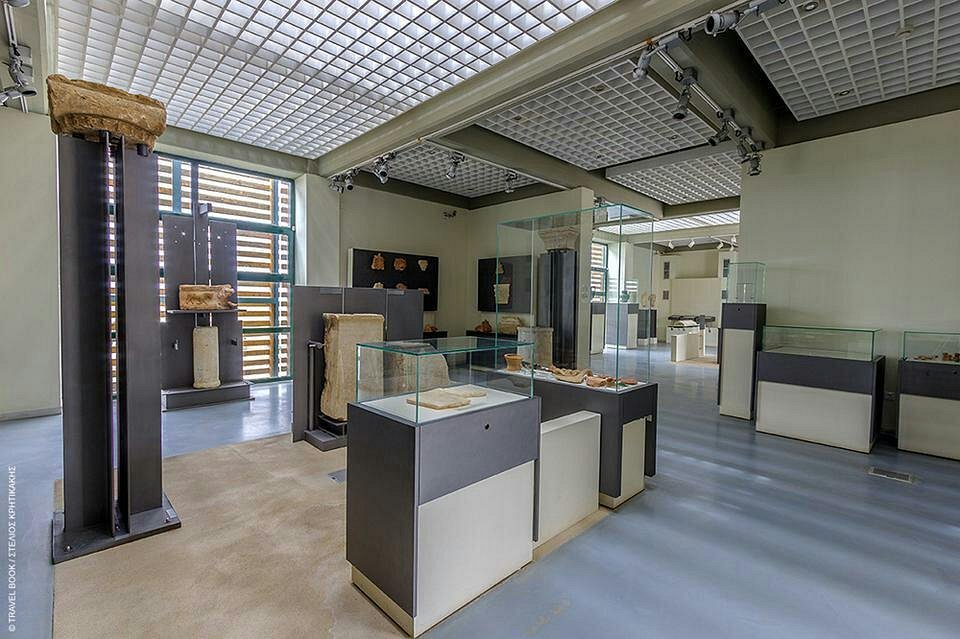
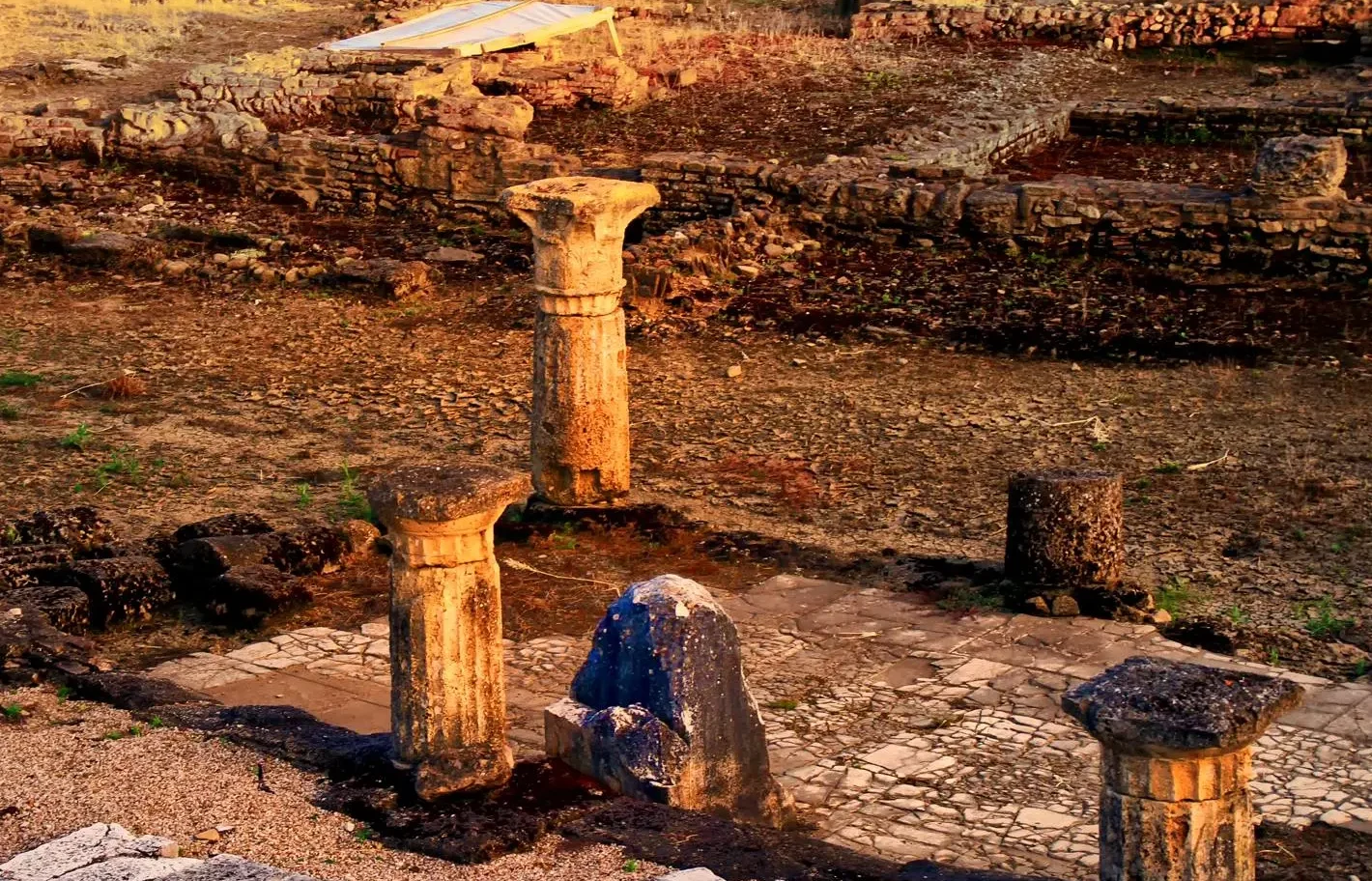
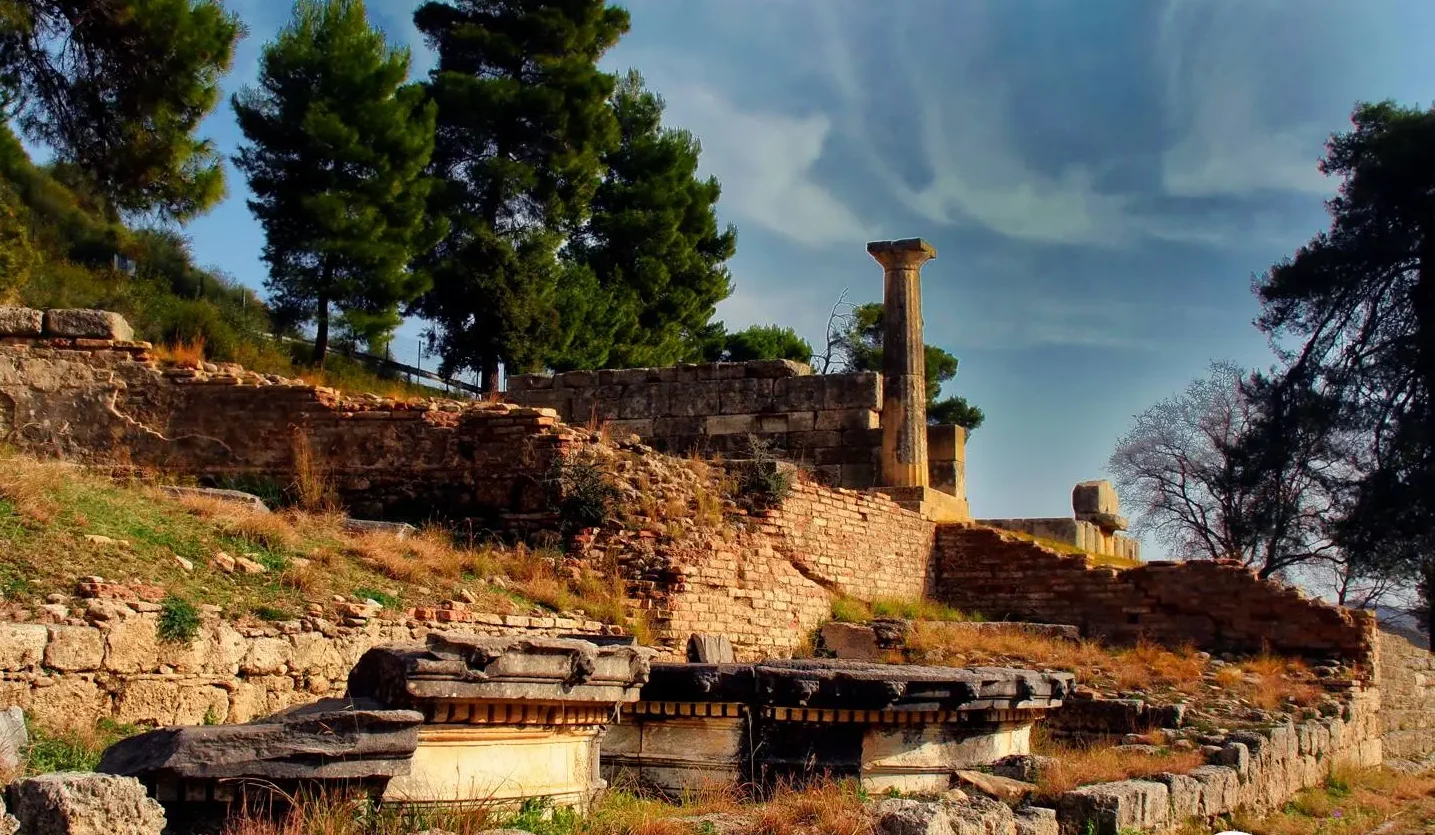
We find the museum in Ancient Ilida, in the area of Amaliada, in northern Elis. The building is located on the southeastern outskirts of the ancient city, on the slopes of the acropolis hill, overlooking the archaeological site and the fertile Elian plain.
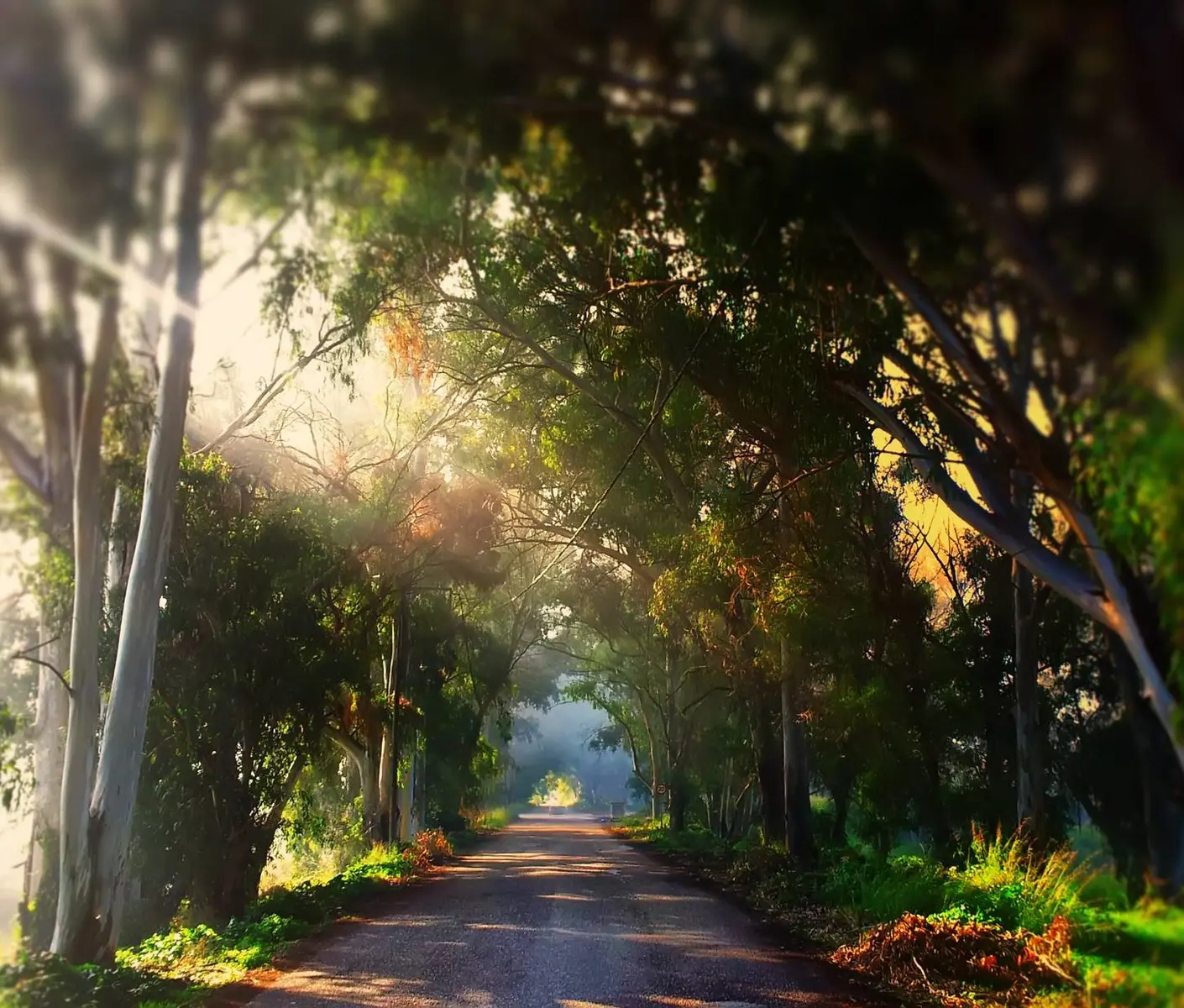
Before we pass through the entrance, it is worth observing the landscape. In front of us lies the place in which the capital of the state of Elis developed. This first image gives the exhibits we will encounter their geographical location and a meaningful context.
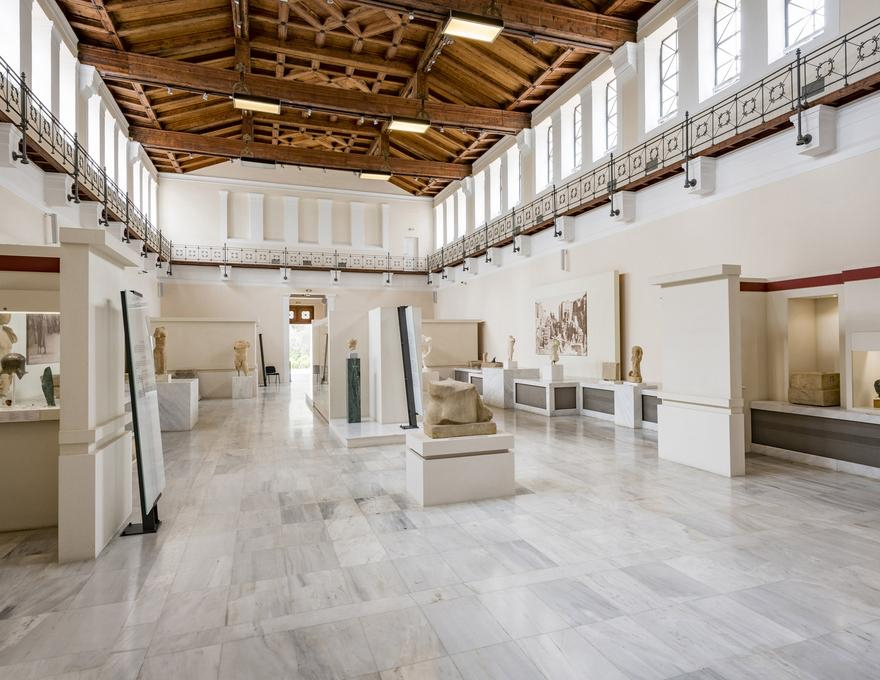
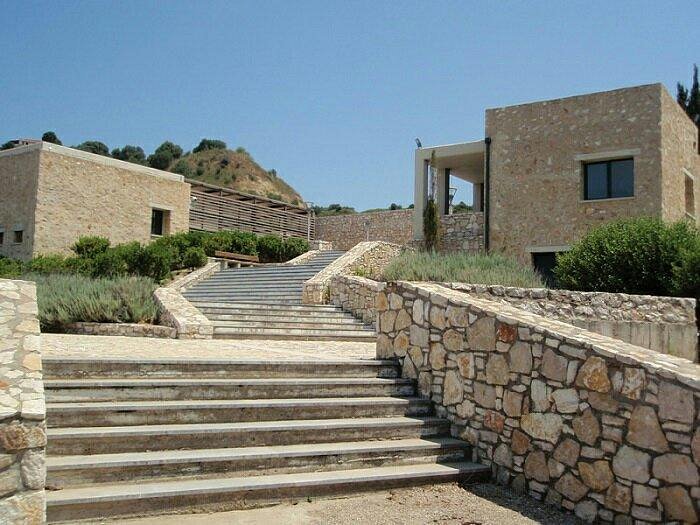
The modern museum, the work of architect Anastasios Biris, was constructed between 2002 and 2004. The stone, wood and the adaptation of the building to the slope discreetly accompany our tour.
We discover the relationship between ancient Elis and Olympia
To understand the importance of the museum, we need to know the relationship between two different places: Elis and Olympia.
In Olympia was the great sanctuary of Zeus and the Games were held. In Elis we find the administrative center of the state that was responsible for their organization, as well as places where the athletes prepared.
With this connection in mind, we look at the findings differently. Behind the great celebration we recognize the preparation, the practice, the rules and the daily functioning of an entire city.
What do we see at the Archaeological Museum of Elis?
In the exhibition sections we follow a long journey through time: from the prehistoric traces of the area to the life of the city during historical and Roman times.
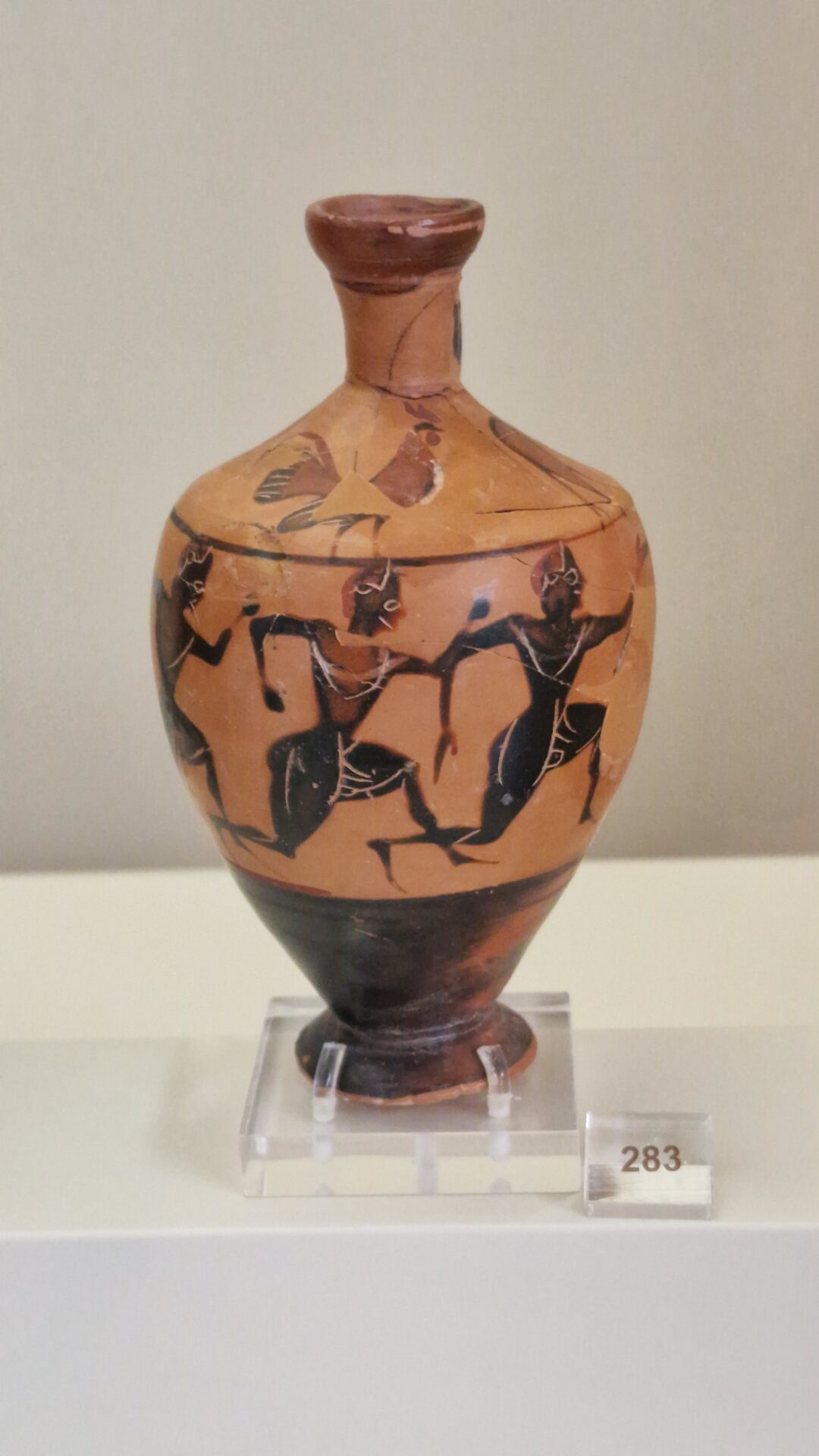
We encounter tools, pottery, jewelry, coins, sculptures, inscriptions and architectural elements. Through them we discover different aspects of Elis: crafts, trade, worship, theater, sports and the home.
Some exhibits, however, deserve a closer look.
We stand before the starting line of the ancient runners
In the inner atrium we are looking for a stone slab from the valve of the Gymnasium of Ilida, connected to the runners' starting system, the hyspliga.
This object offers us a direct connection to ancient sports. We can imagine the posture of the body before the start, the concentration and the waiting for the signal.
In the exhibition we also encounter a disc and stele, objects that help us approach the world of exercise and body care.
Decoding the mosaics of the Muses and Hercules
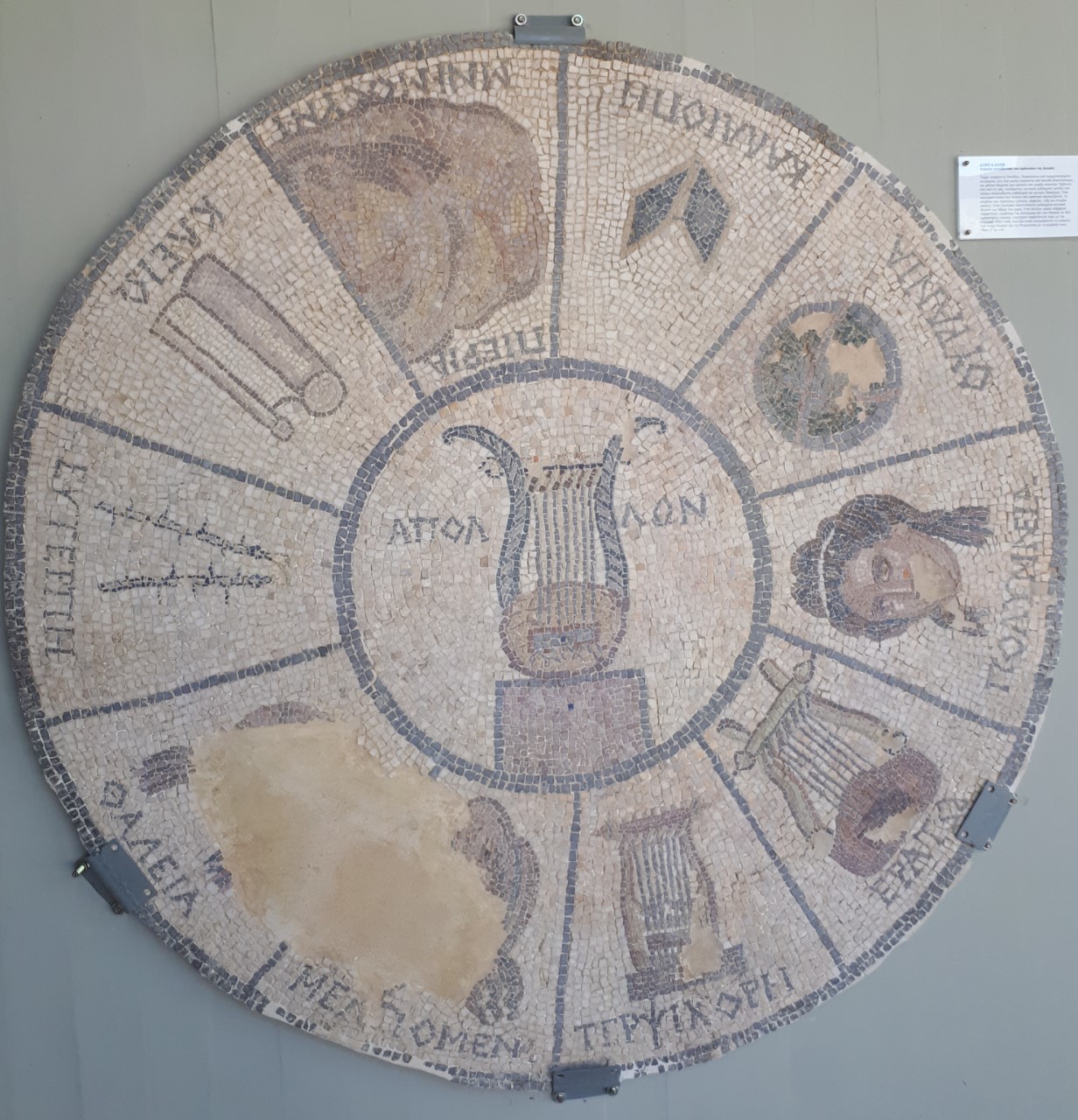
Among the most important exhibits, we highlight the mosaics from a luxurious Roman building from the 3rd century AD, known as the «House of the Muses», southwest of the ancient Agora.
We observe the symbols of the nine Muses around Apollo's lyre. In another mosaic we look for the labors of Hercules, around his characteristic symbols, the club and the quiver.
Here we can turn observation into a game: how many myths do we recognize through their symbols?
Knowing that mosaics once decorated a floor, we simultaneously imagine the space for which they were created and the people who walked over them every day.
We observe the bronze mirror with the bath scene
In the section with the finds from the region of Elis, we are looking for a special bronze folding mirror.
In its relief decoration we can see four women bathing, two standing and two kneeling. Among them stands out a fountain with a male figure, while a woman holds a water jug from which water flows.
In a small object of personal use we discover an entire composition. It is worth devoting time to the poses of the figures and the detail of its construction.
We meet Hermes of Helias
Among the museum's sculptures, we highlight the marble statue of Hermes, with morphological similarities to the famous Hermes by Praxiteles at Olympia.
Its possible connection to one of the city's high schools invites us to think about the presence of art in sports venues. By observing it, we come closer to the aesthetics of ancient public space and its relationship with the human body.
We discover the theatrical life of ancient Elis
Faces, depictions and theater tickets lead us to a different side of the city.
Through these we imagine the gathering of spectators and the anticipation before a performance. Our acquaintance becomes even more complete when we combine the museum with the ancient theater in the neighboring archaeological site.
In the display cases we look for the small evidence of theatrical life; in the space we get to know the monument itself.
We approach people's everyday lives
Continuing our tour, we stop at the jewelry, the mirrors, the hairpins and the figurines with characteristic hairstyles. We recognize the care of appearance and the attention that was given to personal belongings.
Food preparation utensils, finds relating to childhood, and tools of professional activities complete the picture.
Here we also find some of the most familiar connections to the past: cooking, work, clothing, caring for and raising children.
We also know the Old Archaeological Collection of Elis
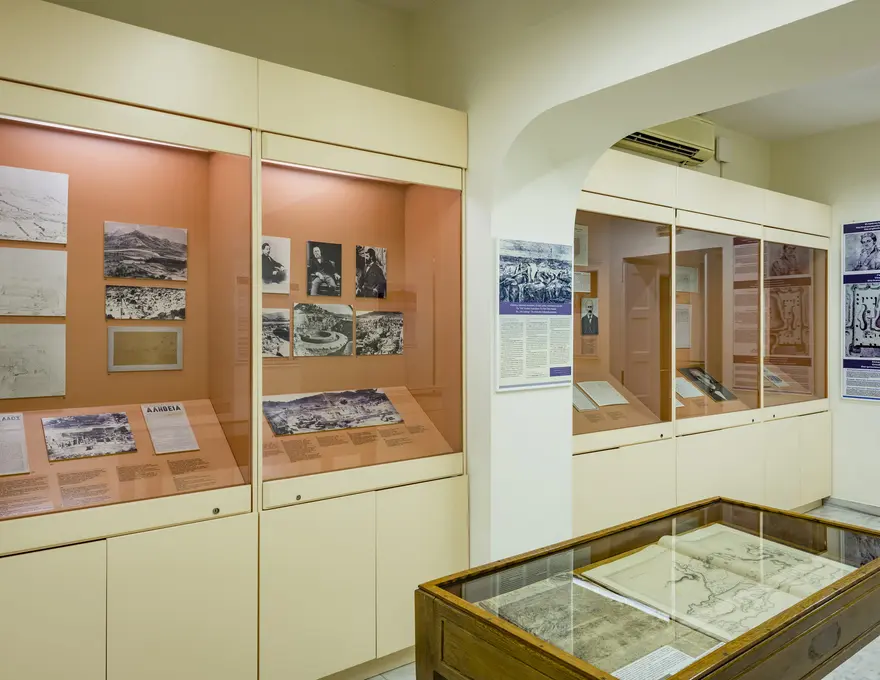
Near the ancient theater is the building of the Old Archaeological Collection, which housed the finds from 1980 to 2004.
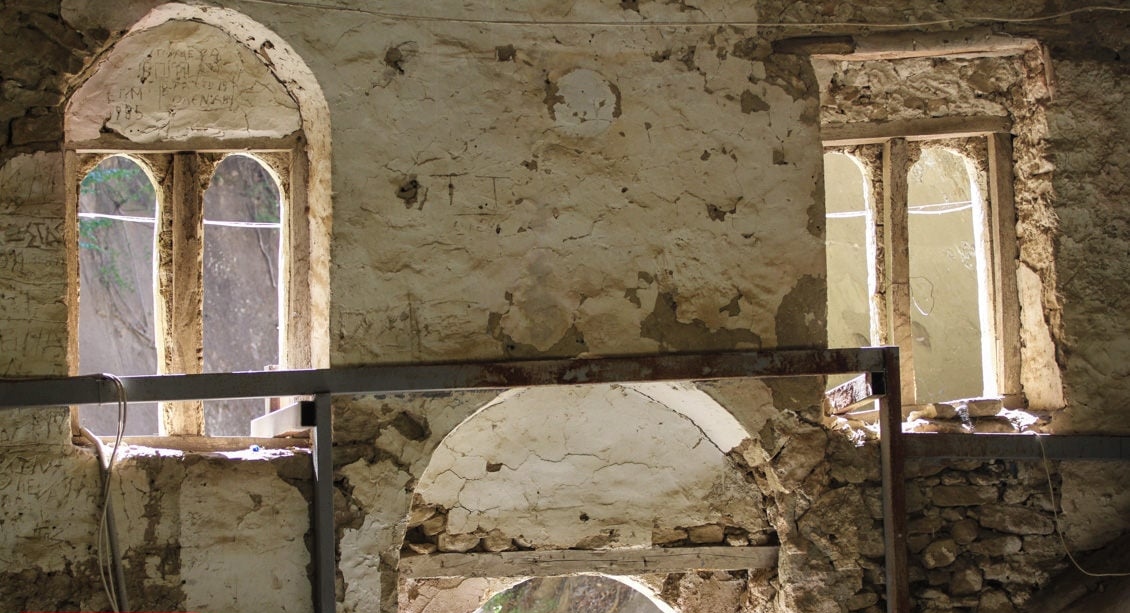
Its architecture is reminiscent of a Hellenistic residence with an internal atrium. Today it is associated with the presentation of photographic and archival material on the history of the excavations, while large archaeological objects are exhibited in the atrium and the precinct.
Thus, we broaden our acquaintance with Elis and learn more about the effort to uncover and protect her.
For these small, meaningful discoveries, we suggest a visit to Ilida. Here we get to know better the world of the Olympic Games and, with it, the people of a city that deserves our attention.
How to get to the Archaeological Museum of Elis
We can easily plan our route with Google Maps. We click the button below, select our starting point and follow the directions to the museum.