Museum of the History of the Ancient Olympic Games: Where an ideal that conquered the world was born
A Spartan woman who made history, a mother who defied the laws, athletes who became legends, and secrets thousands of years old. Discover the true story of the ancient Olympic Games!
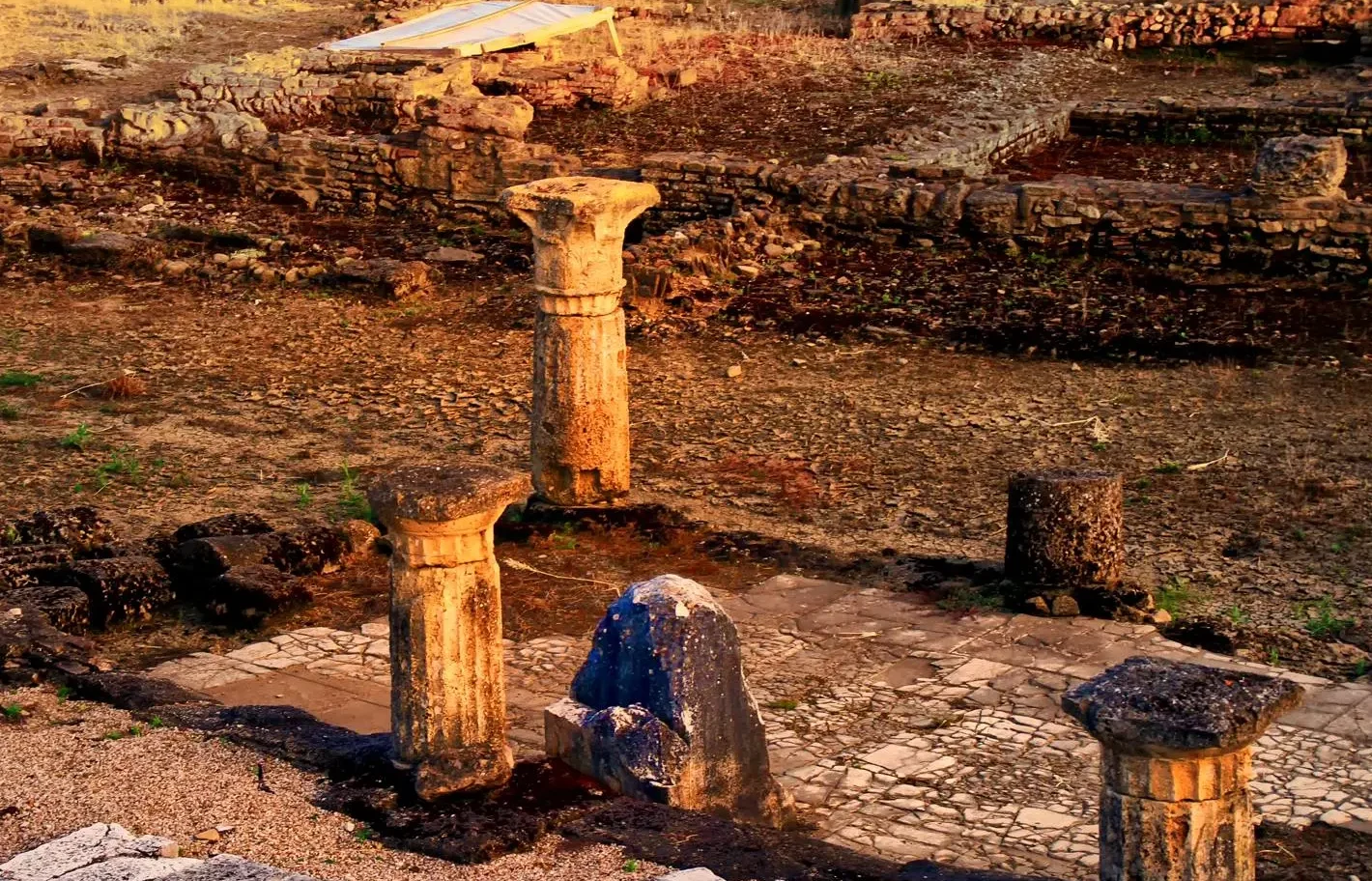
Imagine Ancient Olympia 2,500 years ago.
Thousands of people arrive from every corner of the Greek world. Athletes prepare for the greatest test of their lives. Spectators fill the stadium, priests prepare sacrifices in honor of Zeus, and entire cities wait anxiously to find out who will be crowned Olympic champion.
There are no gold medals. There are no stopwatches or world records.
But there is something much more powerful: the desire for distinction, the honor of victory, and the quest for human transcendence.
Welcome to Museum of the History of the Ancient Olympic Games, one of the most fascinating cultural treasures of Ancient Olympia.
Here you will not only learn about the ancient Greek games. You will discover the people behind them, the rules that determined their participation, the victories that remained in history, and the incredible stories that continue to amaze us.
And believe us: The ancient Olympic Games were much more exciting than you might imagine!
A museum inside a historical monument
Even before you discover the exhibits, it's worth standing in the building itself.
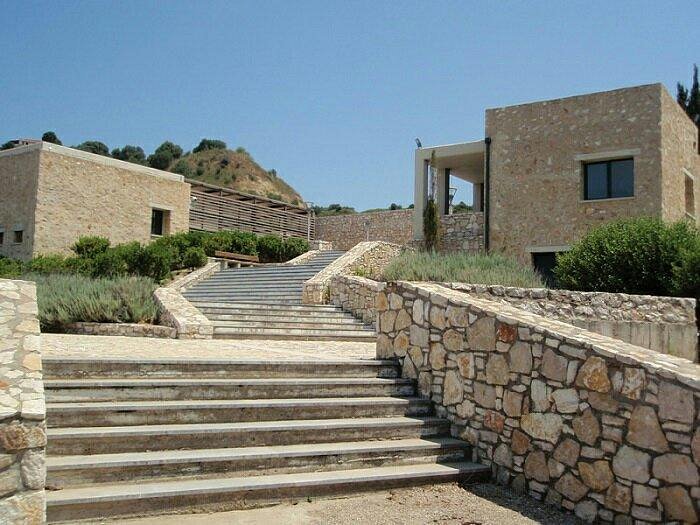
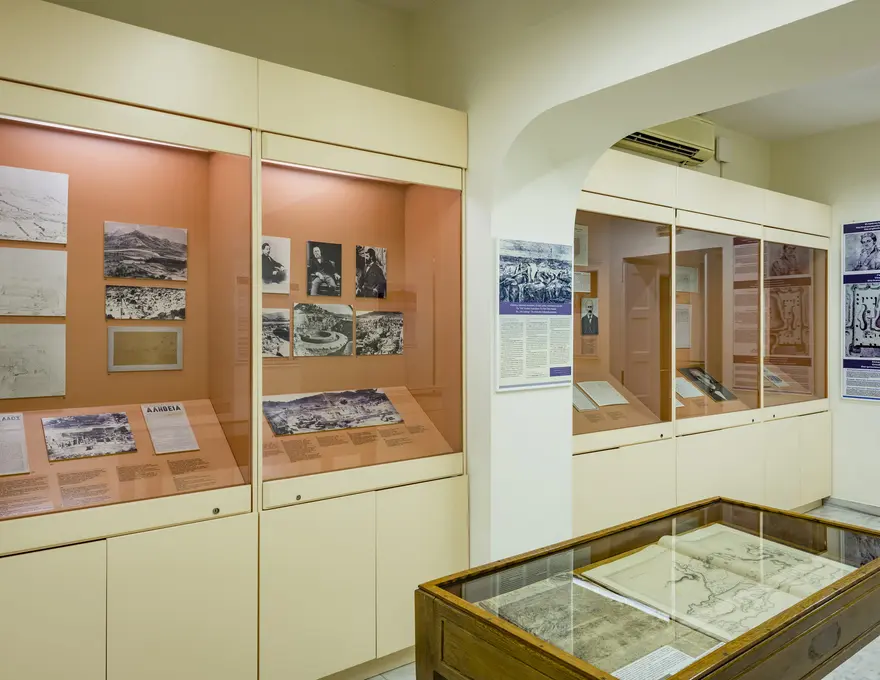
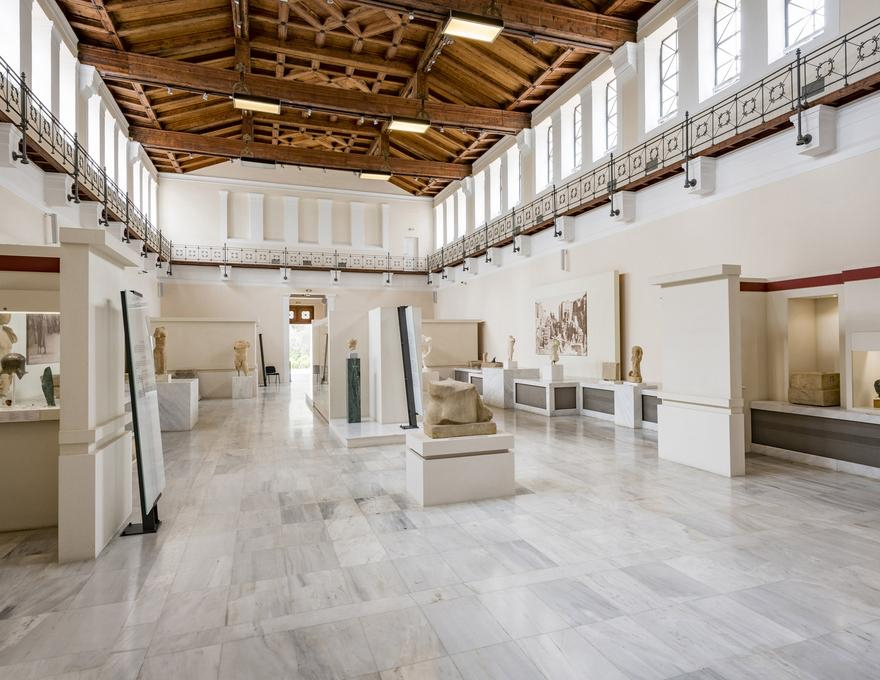
The museum is housed in the beautiful neoclassical «Syngreion», which was erected in 1888 thanks to the donation of the great benefactor Andreas Syngrou.
The building was designed by German architects Wilhelm Dörpfeld and Friedrich Adler and is one of the first important provincial museums in Greece.
The secret hidden in its halls
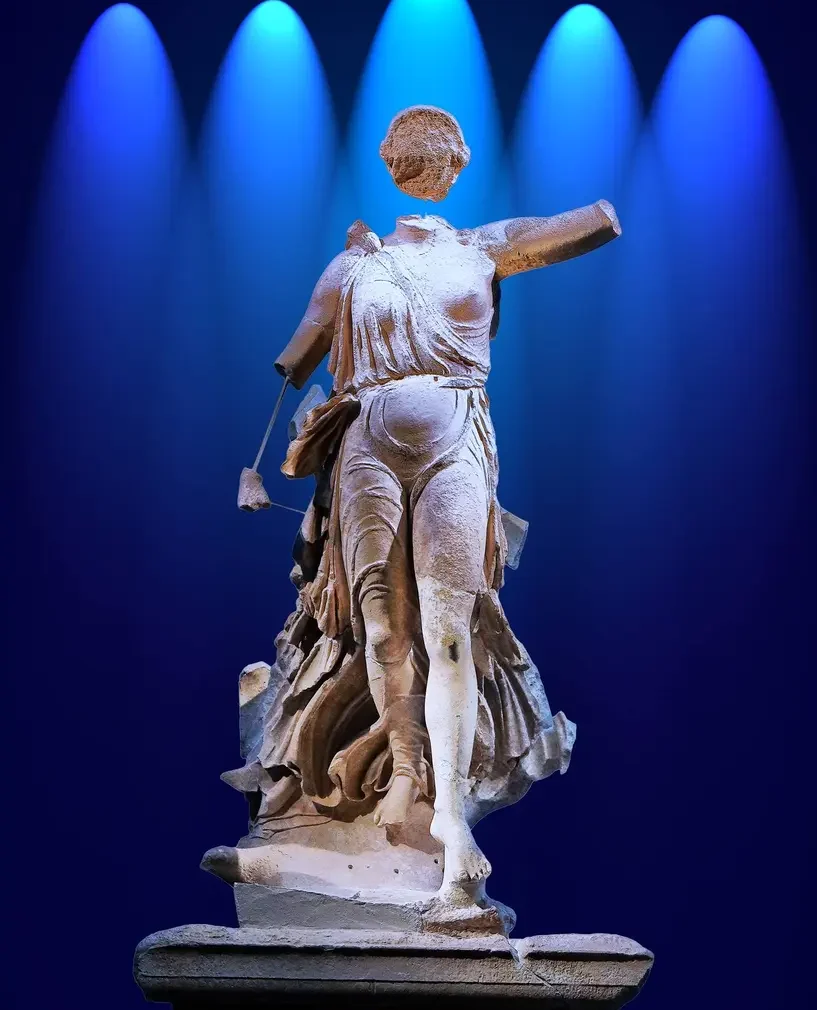
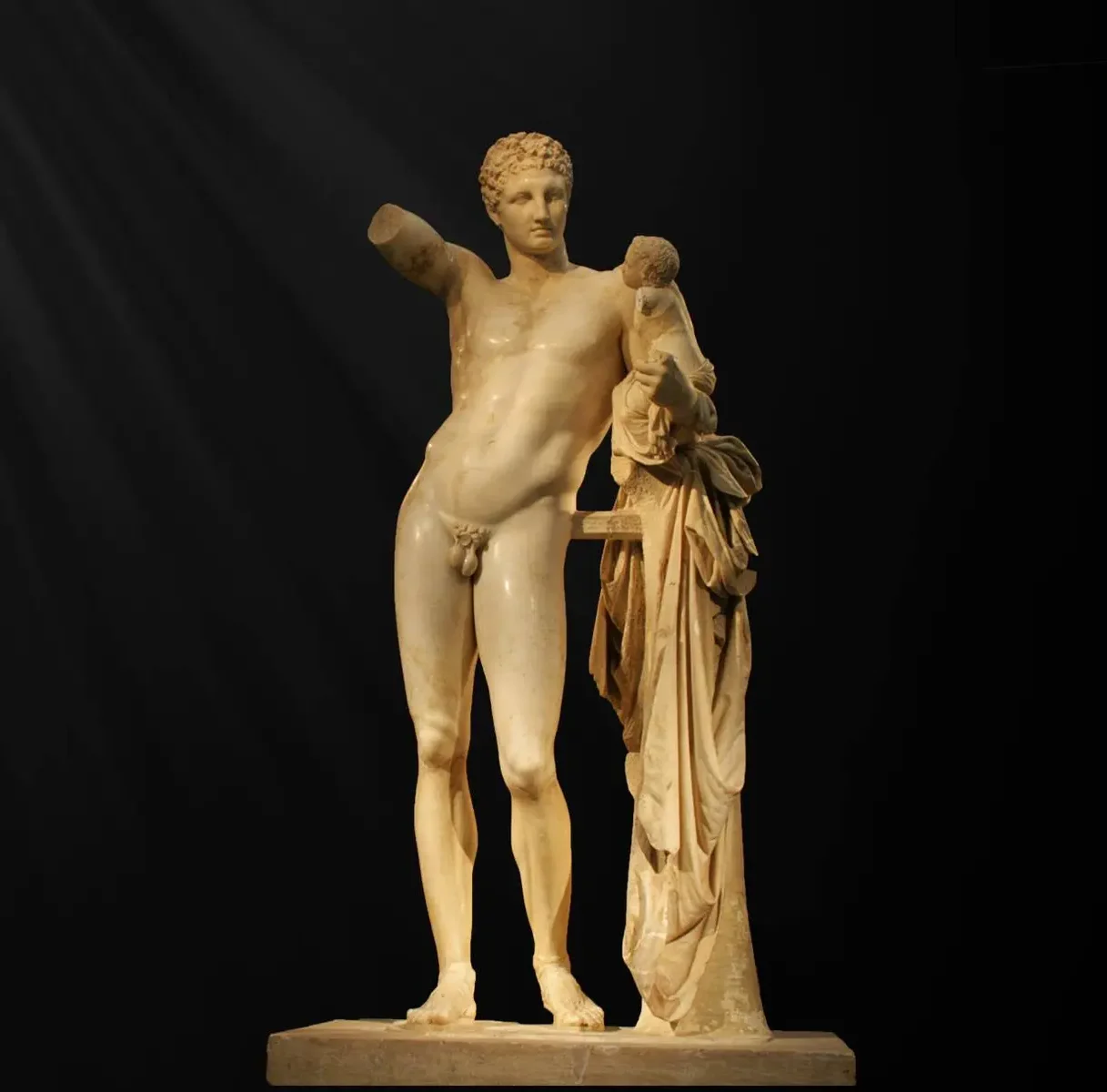
Did you know that this building once housed Praxiteles' Hermes and Paeonios' Nike?
Here, some of the most important archaeological treasures of Olympia were first housed, which were discovered during the major excavations of the 19th century.
Later, the famous sculptures were transferred to what is now the Archaeological Museum.
The old building was restored and on March 24, 2004, it acquired a new mission: to tell the story of the Olympic Games from their beginnings to the end of antiquity.
Today it hosts approximately 400 ancient works, coming from Olympia and other areas of Greece.
Statues, vases, mosaics, bronze figurines, sports equipment and inscriptions compose a unique narrative that covers many centuries of history.
And this story begins with a simple, yet fascinating question.
How were the Olympic Games born?
Who organized the first Olympic Games? The myth and the history
The official record of the ancient Olympic Games begins in 776 BC.
But tradition takes us even further back, to a time when gods and heroes played a leading role in human imagination.
According to an ancient tradition, Zeus himself organized games in Olympia to celebrate his victory over his father, Cronus.
Another tradition connected the founding of the games with Hercules.
There was also the myth of Pelops, who defeated King Oenomaus in a dangerous chariot race to win the Hippodrome.
Which story is true?
Archaeologists do not treat these myths as historical records, but they are valuable evidence of how the ancient Greeks understood the origins and sacredness of the games.
The first recorded Olympic victory
In 776 BC, Koroibos from Elis is mentioned as the first recorded Olympic champion.
His event was the stadium road, a race of approximately 192 meters.
Think about how impressive that is.
The name of a man who won a running race almost 2,800 years ago is still in the history books!
And it all started here, in Ilia.
Cyniska – The Spartan who became the first female Olympic champion
This is one of the most amazing stories of ancient Olympia.
In ancient times, women were not allowed to compete in the men's Olympia.
But there was one important exception.
In chariot races, the title of winner was attributed to the owner of the horses and not to the man driving the chariot.
And a Spartan woman decided to take advantage of this rule.
Her name was Cynicism.
Daughter of King Archidamus II and sister of King Agesilaus II of Sparta, Cyniska bred horses and participated in the Olympic chariot races as the owner of a four-horse chariot.
The result?
In 396 BC she became the first known female Olympic champion!
And it didn't stop there.
Four years later, in 392 BC, he achieved victory again.
The rare archaeological find that preserves the history of
In Olympia, part of the inscribed base of a monument that had been erected in her honor was found.
The inscription contains a shocking message.
Kyniska boasts of her royal lineage, but especially of the fact that she conquered the Olympic pole vault as a woman.
Her monument included a representation of the chariot and the charioteer, as well as her own figure.
The sculptures are not preserved, but the inscription has preserved its voice through the centuries.
And that is perhaps the most fascinating element of her story.
A woman who lived 2,400 years ago made sure to leave her name in history. And she succeeded.
Kallipateira – The mother who defied the ban
Another woman was associated with one of the most dramatic stories of the ancient Olympic Games.
Kallipateira was originally from Rhodes and belonged to a family of great athletes.
Her father was the famous Olympic champion Diagoras.
But she herself did not go down in history for any athletic distinction.
He stayed for a reckless decision.
According to ancient tradition, Kallipateira disguised herself as a man to enter the arena and watch her son compete.
When he won, her joy was so great that she rushed to congratulate him.
While trying to get past the coaches' partition, it was revealed that she was a woman.
An offense that could have cost her her life
Pausanias reports that women who violated the ban on entry to Olympia during the games were threatened with severe punishment.
Kallipateira, however, was not punished.
The Hellanodikes respected her family's great athletic tradition.
Her story is also linked to the establishment of a rule that required coaches to appear naked on the playing fields.
Although this is an episode that we know from ancient written tradition and not from direct archaeological evidence, it remains one of the most human stories of Olympia.
A mother, a prohibition, and the irresistible desire to see her child realize his dream.
The Heraea – The unknown women's road races
The Olympic Games were not the only athletic competitions held in ancient Olympia.
There was also a lesser-known event, dedicated to the goddess Hera.
The Heraea.
These games were attended by young girls, who competed in road races.
Pausanias informs us that female athletes were divided into three age categories and ran a distance shorter than that of the men's stadium.
They wore short tunics, had loose hair and fought in honor of the goddess.
The victors were crowned with a wild olive branch and received a share of the sacrifice in honor of Hera.
A different side of ancient Greek society
The Heraea reveals to us that the relationship of women with sports in ancient Greece was more complex than we usually imagine.
Although they were excluded from the men's Olympia, there were separate religious and athletic events in which they could participate.
And this is a story worth knowing.
The Olympic Truce – Did all wars really stop?
Here we encounter one of the biggest misunderstandings regarding the ancient Olympic Games.
We often hear that, when the games approached, all Greek wars stopped.
The reality was different.
The Sacred Truce was an important institution that mainly ensured the safe movement of athletes, dignitaries and pilgrims to and from Olympia.
It did not necessarily mean that every military conflict in the Greek world had to stop.
The bronze disc with the terms of the Armistice
According to ancient tradition, the establishment of the Truce was associated with Iphitos, king of Elis.
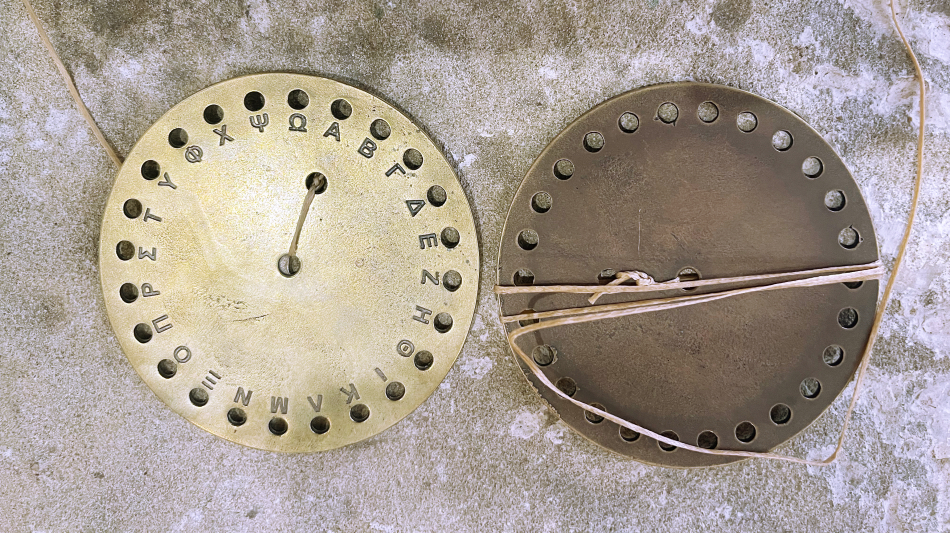
The terms of the agreement are said to have been engraved on a bronze disk, which was kept in the temple of Hera.
The existence of the disc is mentioned by ancient writers, including Aristotle and Pausanias.
The record itself does not survive today.
His report, however, reveals something extremely important to us.
The ancient Greeks had developed an institution that allowed people from rival cities to meet for a common religious and athletic event.
It was not a world without conflict.
It was a world that recognized the need to protect certain common institutions, even in times of rivalry.
And that makes the story of the Olympic Truce even more meaningful.
Did ancient athletes have equipment? The answer will surprise you!
The museum's collections present objects related to the daily preparation and competitions of athletes.
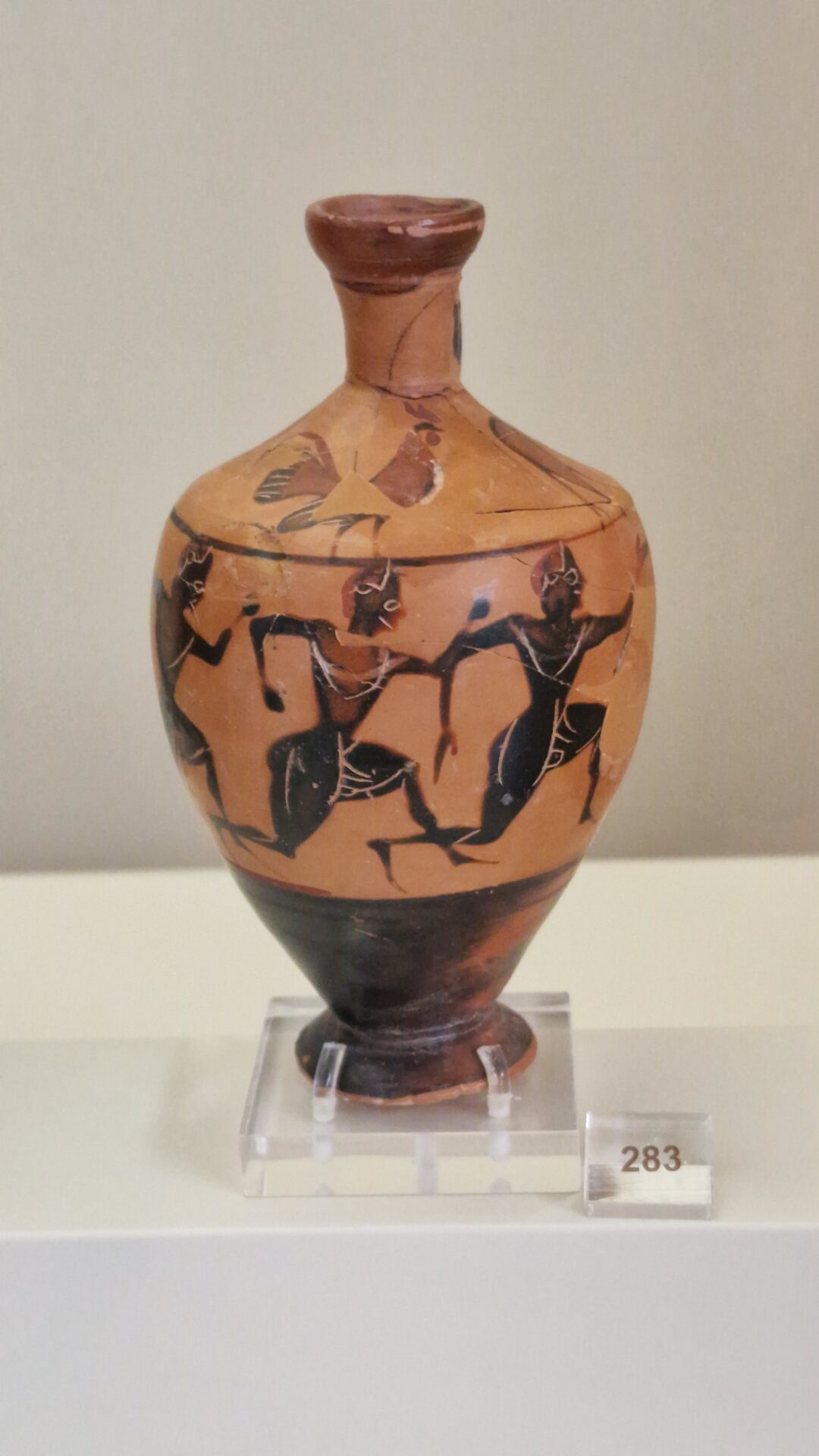
Discs, dumbbells, oil jars, and other small objects help us understand how they trained and cared for their bodies.
Dumbbells weren't used like they are today.
In ancient times, dumbbells were not only used for strength exercises.
They were also used in the long jump.
The athletes held special weights in their hands and moved them in a specific way while performing the jump.
It was a technique very different from modern ones.
Oil instead of sports creams
Before exercise, athletes used to anoint their bodies with olive oil.
After training, they used a special tool, the stele, to remove oil, sweat, and dust from their skin.
Small vessels, known as aryballoi, were used to transport the oil.
Today these objects may seem simple.
But they are precisely those that allow us to imagine the daily life of an athlete thousands of years ago.
More than 1,000 years of history in one museum
The Museum of the History of the Ancient Olympic Games does not only tell the story of a sporting event.
It reveals the evolution of an institution that profoundly influenced the ancient Greek world.
Its collections include antiquities from the second millennium BC to the 5th century AD.
Through them we observe the early forms of sports, the creation of organized competitions and the evolution of athletic traditions during the classical, Hellenistic and Roman eras.
At the same time, we know the importance that physical exercise, perseverance, discipline, and public recognition of success had for the ancient Greeks.
The museum invites us to discover a world different from today's, but full of human emotions that remain familiar.
The joy of victory.
The fear of failure.
The anxiety of the confrontation.
And the desire to surpass our limits.
Location: Ancient Olympia, Elis.
Building: Old Archaeological Museum of Olympia, known as «Syngreion».
What will you discover: The history of the ancient Olympic Games, the traditions, the preparation of the athletes, the events, women's sports and approximately 400 ancient works.
Suggested duration of visit: Approximately 45–75 minutes.
Ideal combination: The Archaeological Museum of Olympia and the archaeological site with the ancient stadium.