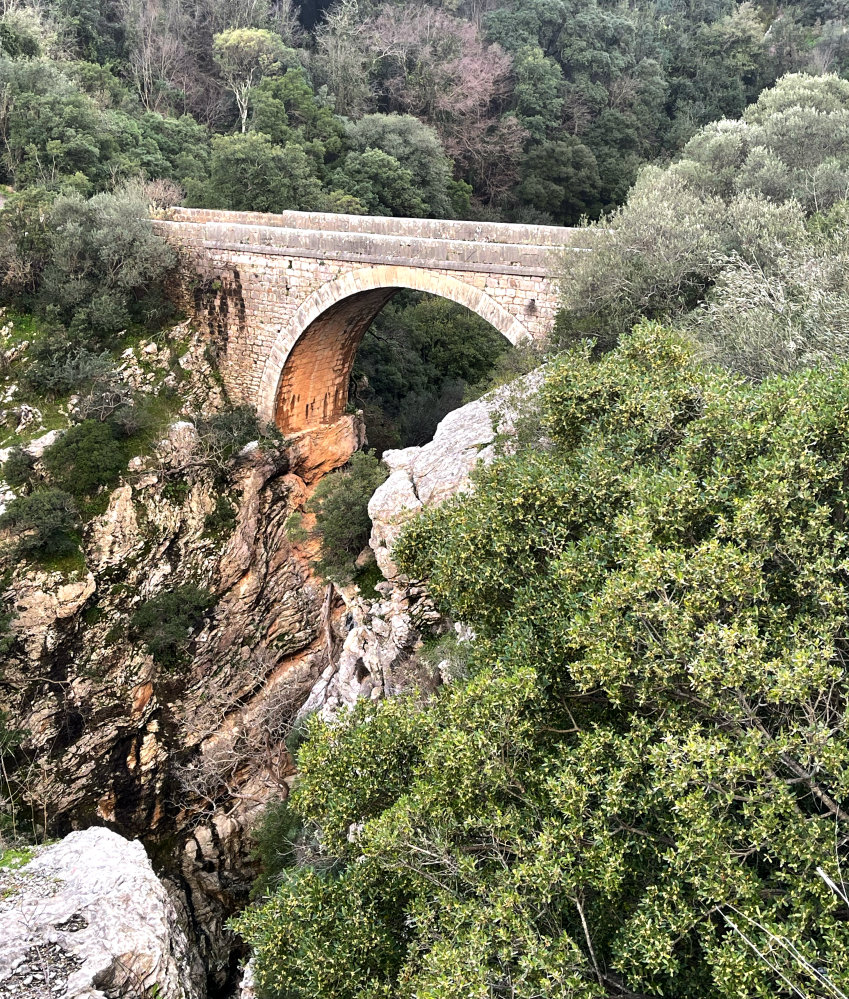
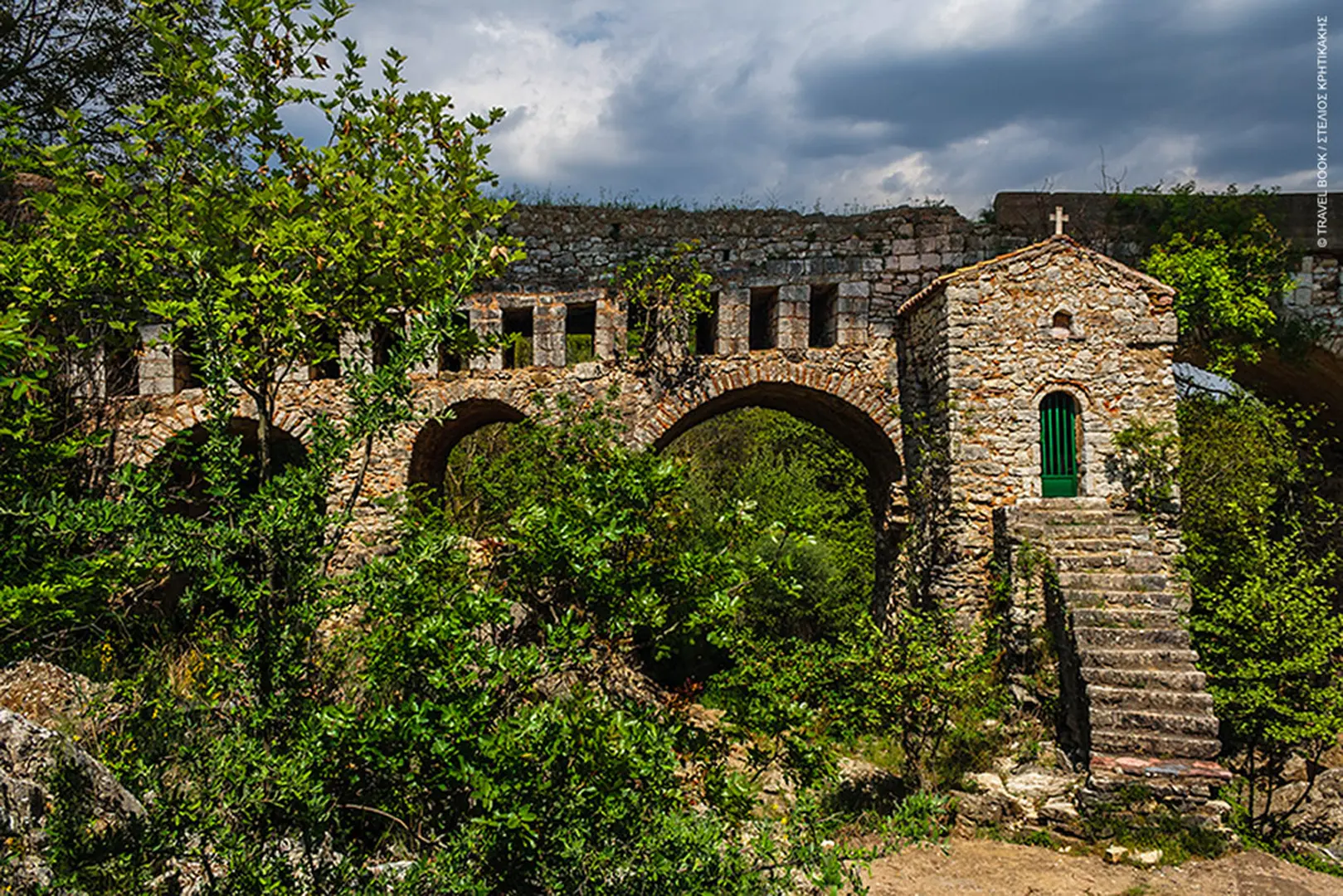
I want to introduce you to Alpheus through what is found on its banks: the nature, the stone bridges and the stories that have accompanied it since antiquity. Following its route in the Peloponnese, we find places where it is worth stopping, listening to the water and observing the landscape. Below I will share with you its myths, information about its course and suggestions for getting to know it up close. I hope you will find among them your own reason for an excursion outside Andritsaina.
Mythology of Alpheus
The Alpheus River was not just a river for the ancient Greeks. In mythology, he was considered a river-god, the son of Oceanus and Tethys, who was especially worshipped in Arcadia and Elis. The best-known myth is associated with his love for the nymph Arethusa. The nymph, wanting to escape his pursuit, asked for help from the goddess Artemis, who transformed her into a spring of water on the island of Ortygia near Syracuse. According to the myth, Alpheus himself was transformed into a river and its waters passed under the sea to reach the spring of Arethusa. Thus was born the tradition that the waters of the river mysteriously unite with the spring of Arethusa. The river is also associated with one of the labors of Hercules, when the hero diverts the waters of the Alpheus to clean the stables of King Augeas.
Historical and lesser-known facts
Alpheus is the largest river in the Peloponnese, both in length and water supply. Its length is reported in the literature as approximately 110 to 120 kilometers, while its drainage basin covers a large part of the central and western Peloponnese.
The sources of Alpheus are located near Asea, on the Tripoli plateau, at the foot of Mount Parnon. One of its well-known sources is the so-called Frankovrysi, about which the ancient traveler Pausanias mentions that near it there was a sanctuary of the Mother of the Gods and two impressive stone lions.
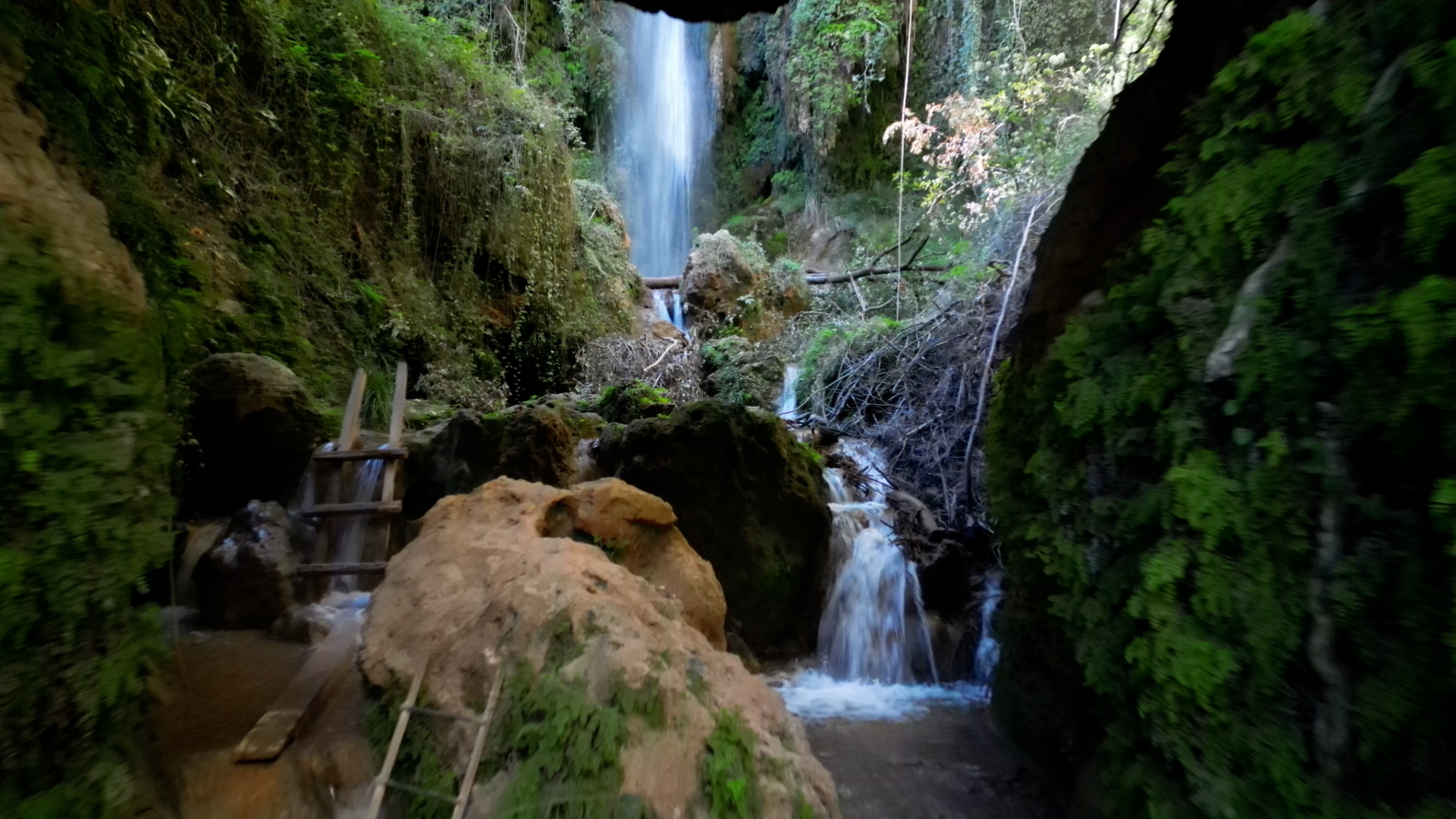
On its course, the river passes near Karitena and receives its waters Lucius , which significantly enhances its flow. In some places it passes through narrow gorges that were formerly called «"iron gates"», creating impressive natural landscapes.
In ancient times the river was also of great importance for the Ancient Olympia, where it was associated with purification rituals during the Olympic Games.
A river with many names
Throughout history, Alpheus has also appeared under other names. In Byzantine times, he was referred to as Alpheus, while in later times it is also found as Rufias. The Franks of the Peloponnese called him Carbon, probably due to the black materials that the water carried to its banks.
To experience the river through action, I suggest you consider an organized descent. rafting on the Lousios–Alfeios route. It is a different way to see the landscape, following the flow of the water with your group. Before organizing your experience, contact the provider for the conditions, participation requirements and equipment provided.
Activities and experiences in Alfeios
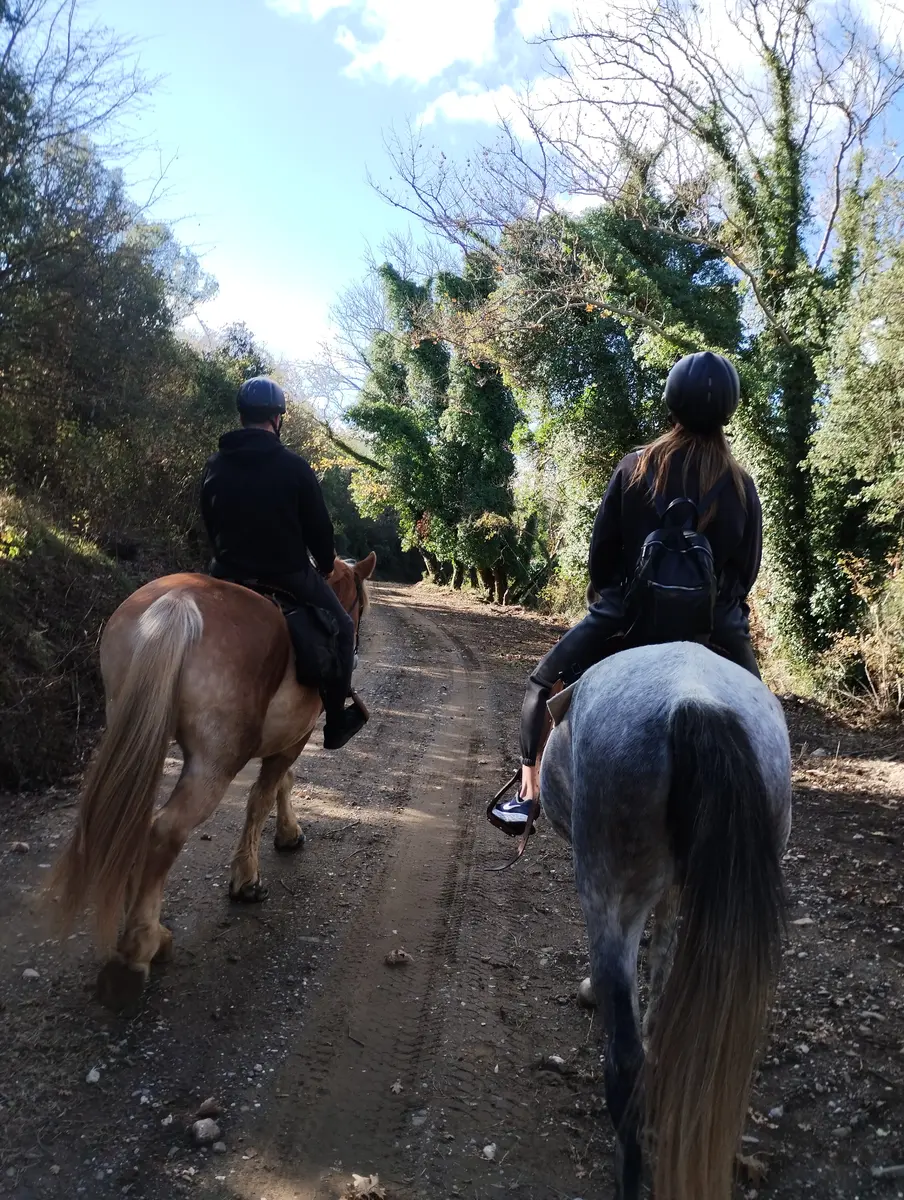
THE Alpheus River offers many activities for those who love nature and adventure. At some points of the river, activities such as rafting and canoeing are organized, especially near Karytaina. At the same time, its banks are ideal for hiking, nature photography and exploring the rich flora and fauna of the area.
A stop next to Alfeios
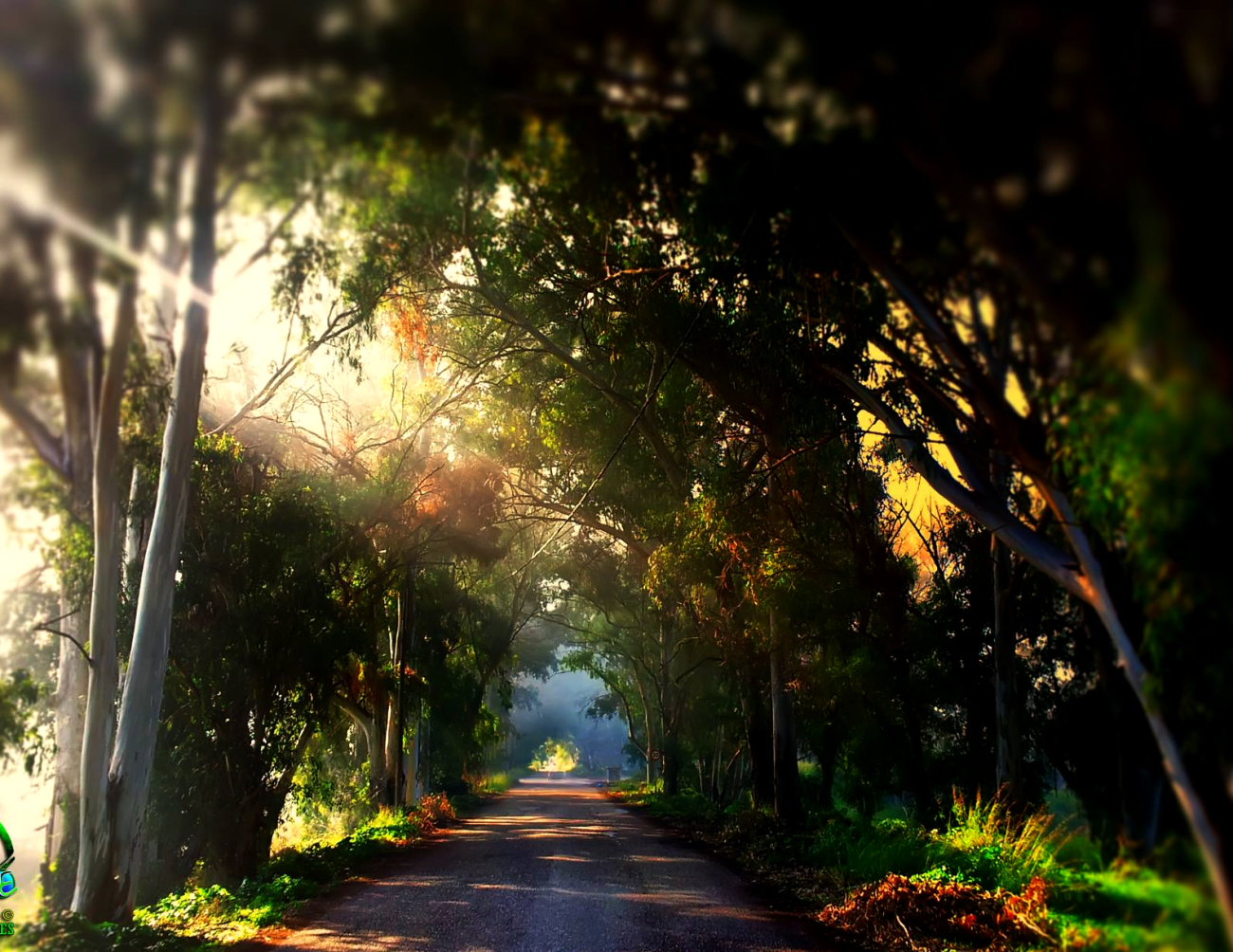
What I want to suggest is that you give some time to the landscape itself. At an accessible point on your route, stop to listen to the water and observe the light between the trees. Not every excursion needs to be full of stops; sometimes, a quiet moment next to Alpheios is enough to leave you with something beautiful about our place.